 Crack My Fortune
How do you read a tarot spread without fooling yourself?
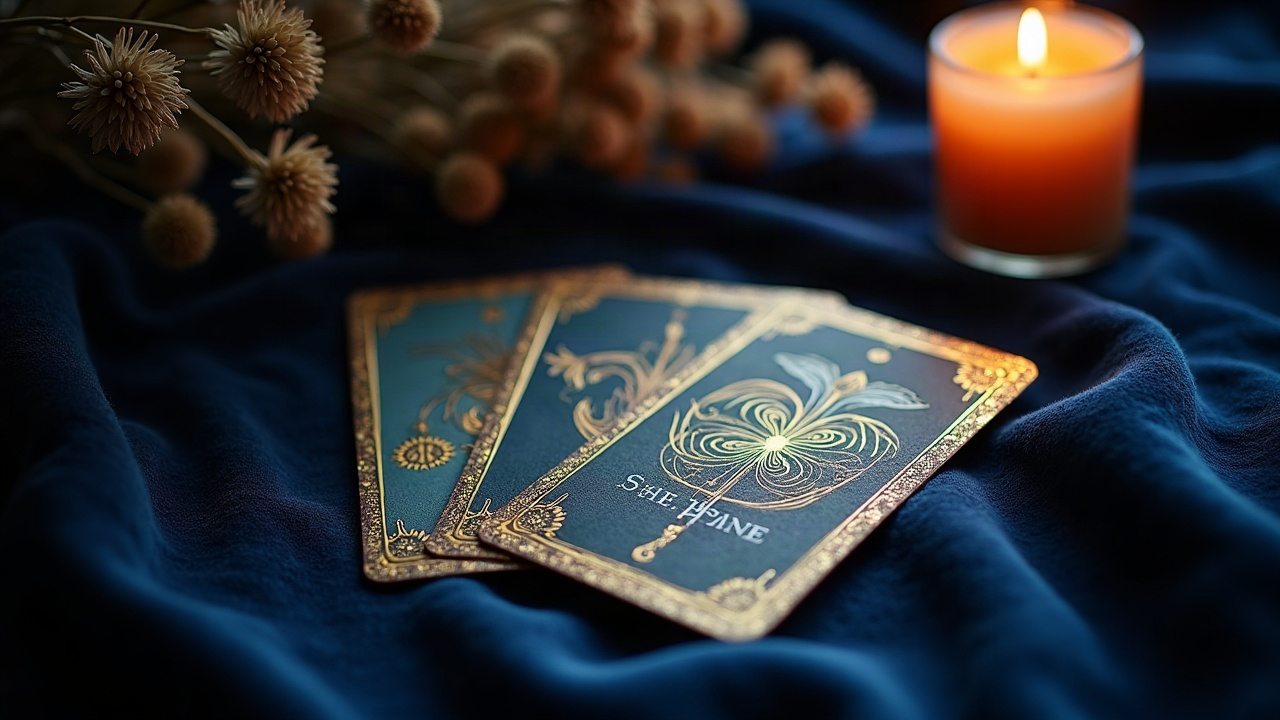
A tarot spread is an arrangement of cards in which each position carries a fixed meaning. The reader draws cards into those positions and interprets each card in light of where it landed. A spread turns a deck into a structure for thinking about a situation.
The deck in brief
A standard tarot deck has seventy-eight cards in two groups.
- The major arcana. Twenty-two cards, from The Fool to The World, read as large life themes.
- The minor arcana. Fifty-six cards in four suits, wands, cups, swords and pentacles, read as everyday matters.
A simple spread to learn on
The three-card spread is the usual starting point. The three positions are commonly read as past, present and future, or as situation, action and outcome. The second framing is more useful because it keeps the focus on what a person can do rather than on prediction.
| Position | The question it asks |
|---|---|
| One | What is the situation really about? |
| Two | What action or attitude would help? |
| Three | Where does that path tend to lead? |
Reading a card in context
A single card has a traditional meaning, but the position changes how it is read. The Tower, often read as sudden upheaval, means something different in the action position than in the outcome position. Good reading holds the card meaning and the position meaning together, then relates both to the actual question.
How to stay honest with yourself
The main risk in tarot is reading a vague card as whatever a person already wants to hear. A few habits reduce that.
- Write the question down before drawing. A fixed question keeps the reading from drifting toward comfortable answers.
- Read the card you drew, not the one you wished for.
- Treat an unwelcome card as information, not as a verdict.
- Note the reading, then revisit it later to see how the thinking held up.
The honest limit
Tarot has no demonstrated power to reveal hidden facts or future events. Its value is as a structured prompt. The cards raise considerations, and the person supplies the meaning from their own life. Read that way, a spread is a disciplined way to reflect on a choice, and the choice stays entirely with the person.
Common questions
Do reversed cards matter?
Some readers use reversed meanings, where an upside down card softens or inverts its sense. Many readers do not. Either approach is valid as long as it is consistent within a reading.
Can tarot predict the future?
There is no evidence that it can. The outcome position describes where a path tends to lead if nothing changes, which is a prompt for reflection rather than a forecast.